Follow-up meeting after Germany's first inception workshop
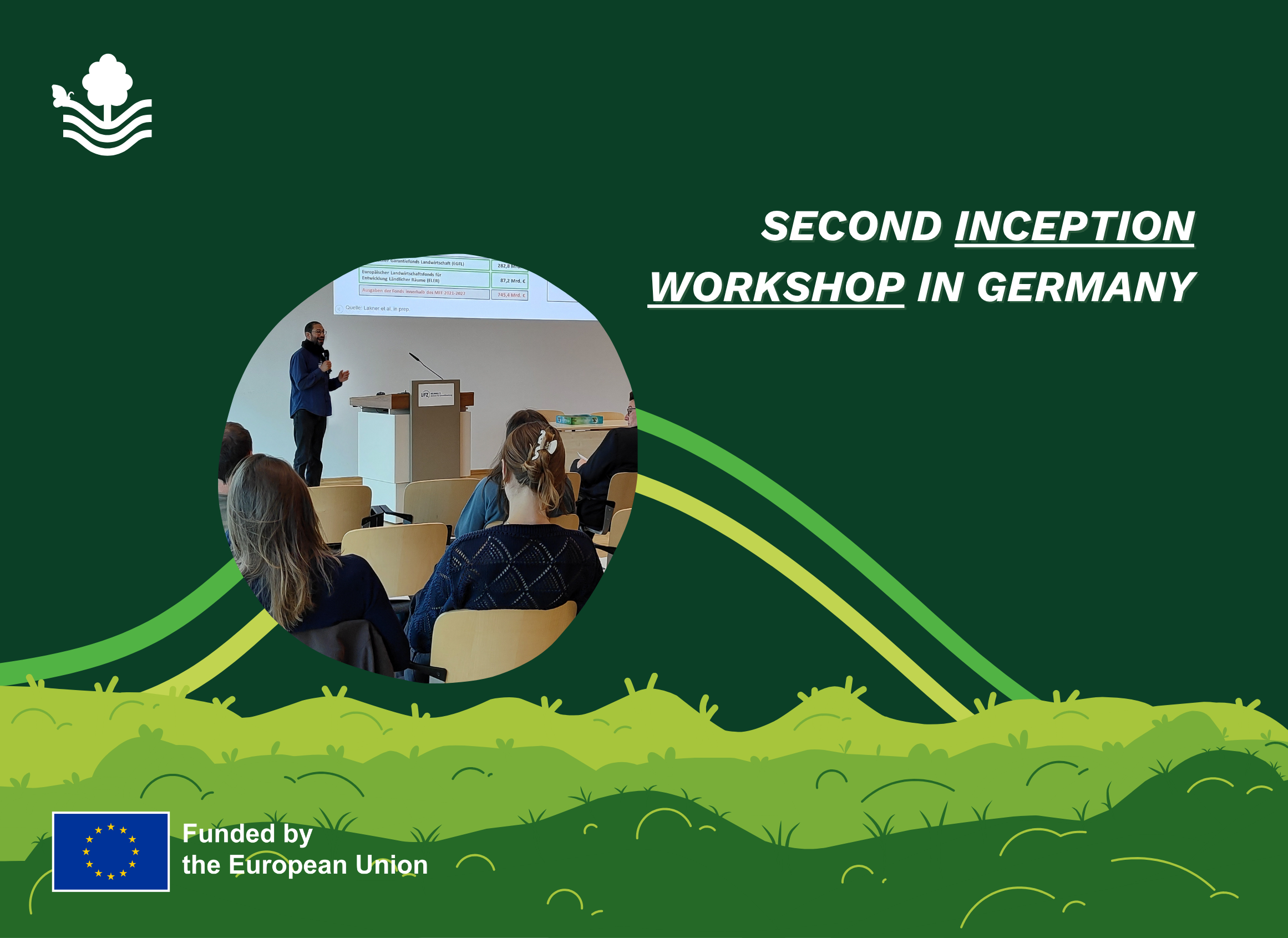
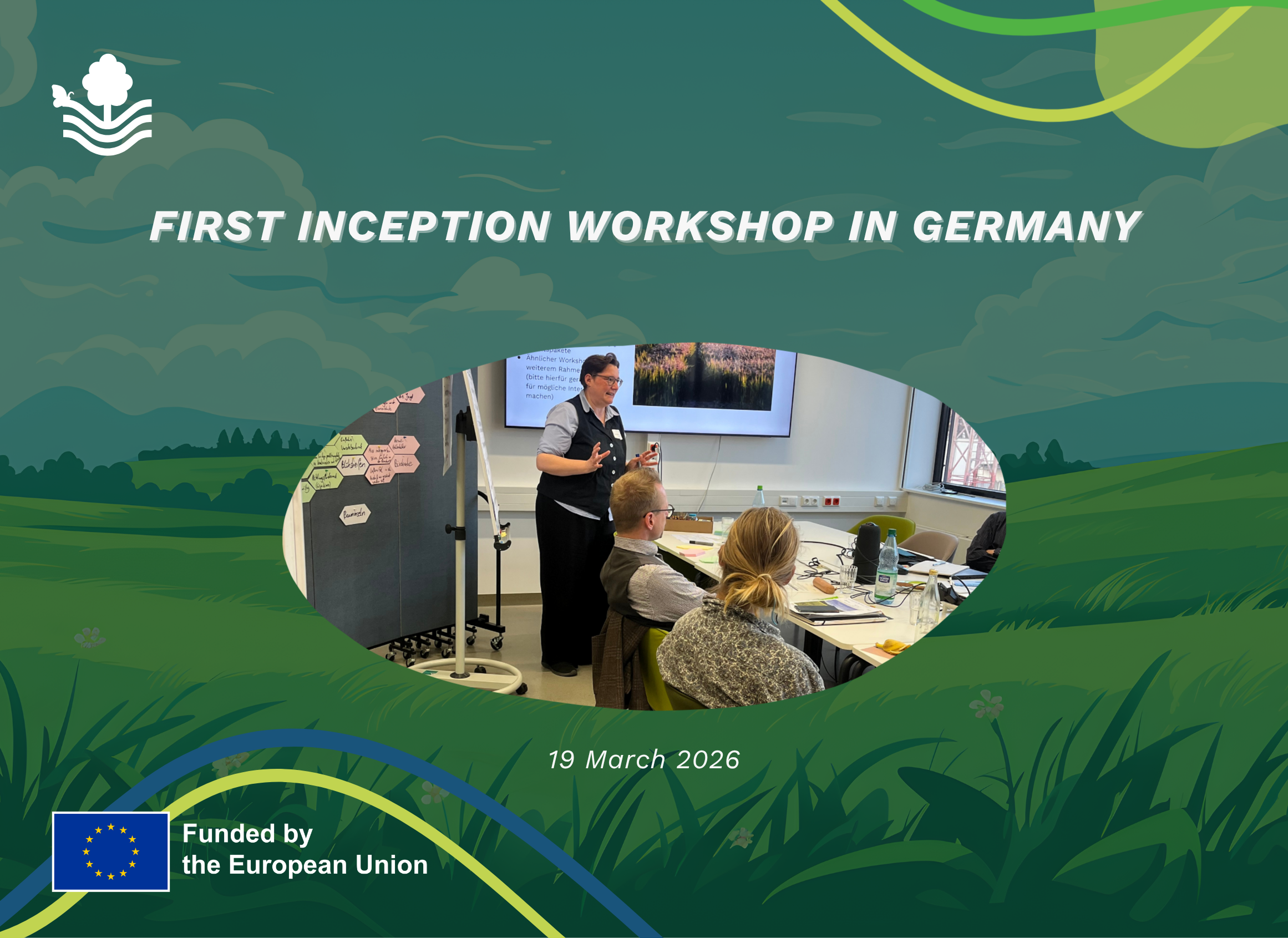
On 30 April 2026, the Helmholtz Centre for Environmental Research (UFZ) organised a focused discussion event on the European Common Agricultural Policy (CAP) reform in Leipzig, Germany, as a follow-up activity after the first inception workshop. The session served as a bridge between policy and the field by building relationships with local farmers, landowners, unions, and environmental organisations active in the regional case study area.
The event allowed for a deep dive into the current status of the CAP reform and its upcoming implications for both the Nature Restoration Regulation and the reintroduction of landscape features (LF).
During the workshop, the LAFERIA team noted valuable insights regarding how certain technical terms are perceived differently by the agricultural community. For instance, conventional farmers do not view terms like “monocultures” negatively. Additionally, the discussions revealed that large-scale producers have a strong interest in obtaining scientific arguments to address the current land procurement system, which they feel often excludes them. Recognising these differing viewpoints provides the project with essential context for tailoring its future activities.
The attendees were highly enthusiastic, as both participants took the initiative to propose an immediate next step, suggesting a follow-up meeting to be held just one week later! This confirms that farmers are quite welcoming of the opportunity to receive reliable information on such relevant topics.
Despite the small focused group, the session turned into a highly productive and personal conversation. The participants were key figures with considerable influence within the local farming community, making their involvement in the discussion a big win for the regional network of the project. During the meeting, the LAFERIA team explained how the research outputs can benefit local agricultural practices. This discussion generated a high level of interest, improving the local perception of the project and ensuring that the participants remain enthusiastic about joining future activities.